


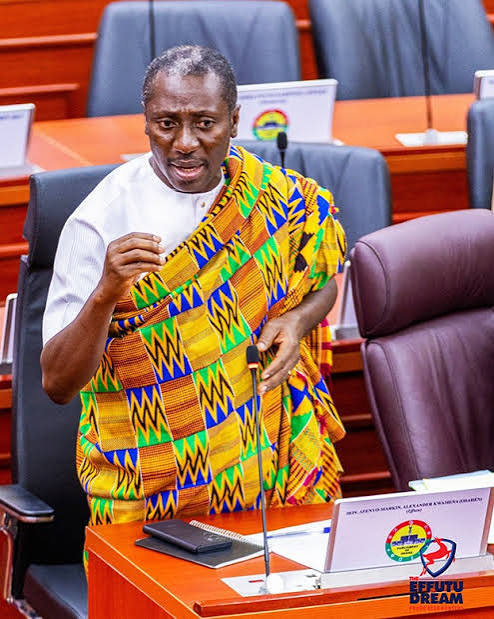
Minority Leader Osahene Alexander Kwamena Afenyo-Markin has strongly condemned the arrest, remand and prosecution of Kwame Baffoe (Abronye DC), describing the case as a constitutional violation and an attack on freedom of expression in Ghana.
Speaking at a media briefing on May 17, 2026, Afenyo-Markin argued that prosecuting Abronye DC over comments made in a social media video amounted to political persecution rather than justice. He maintained that criticism of a public official, including a judge, is protected under Ghana’s Constitution and should not result in criminal prosecution.
Abronye DC was arraigned before Circuit Court 9 in Accra on May 13, 2026, facing charges of offensive conduct conducive to breach of peace and publication of false news under Sections 207(1) and 208(1) of the Criminal Offences Act. According to Afenyo-Markin, the charges stem solely from remarks Abronye made questioning the impartiality of a Circuit Court judge in a social media video.
The Minority Leader also criticised the court’s decision to deny bail, saying the prosecution argued Abronye could commit similar offences if released. He described the ruling as unconstitutional and accused the judiciary of suppressing political speech.
Afenyo-Markin further questioned the legality of Abronye DC’s remand into Bureau of National Investigations custody, alleging that no signed and certified remand order had been produced days after the court’s ruling. He warned that detaining a citizen without proper documentation would amount to an unlawful deprivation of liberty under Article 14 of the 1992 Constitution.
He linked the prosecution to what he described as a broader pattern of intimidation against members of the opposition New Patriotic Party, citing recent arrests and investigations involving party communicators and officials. He claimed the current administration was attempting to revive criminal libel practices abolished in 2001 under former President John Agyekum Kufuor.
Afenyo-Markin called on the judiciary, civil society, Parliament and the legal profession to intervene, demanding the immediate release of Abronye DC and a constitutional challenge against the use of Sections 207 and 208 against political speech.
He concluded by insisting that Ghana must not return to what he described as a “culture of silence,” declaring that democracy and free expression must be protected against political interference.