




Ghana has recorded its largest youth population in history, with approximately 12 million people aged between 15 and 35, representing about one-third of the country’s population, but rising youth unemployment and limited access to quality jobs threaten the country’s ability to turn the demographic growth into an economic dividend.
The Ghana Statistical Service (GSS), in its flagship publication, Ghana in Numbers 2025, has warned that urgent investments in education, skills development and employment opportunities are needed to harness the country’s growing youth population before its demographic window narrows further.
The report indicates that unemployment averaged 32.4 per cent among people aged 15 to 24 and 21.9 per cent among those aged 15 to 35 during the first three quarters of 2025, compared with the national average of 12.8 per cent.
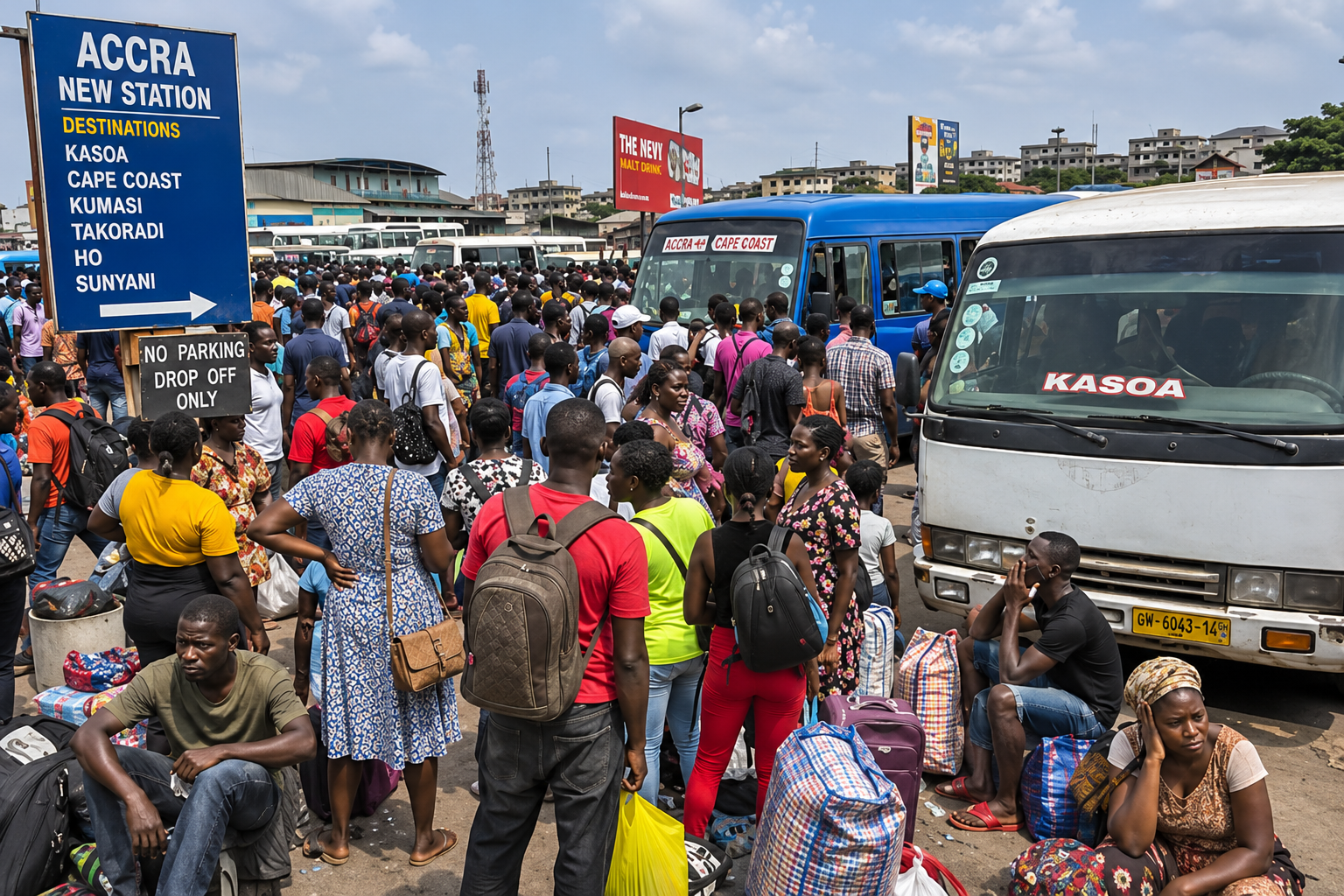
It further reveals that nearly two million young Ghanaians aged 15 to 35 were neither employed nor enrolled in education or training (NEET) during the third quarter of 2025, with women accounting for more than 60 per cent of the group.
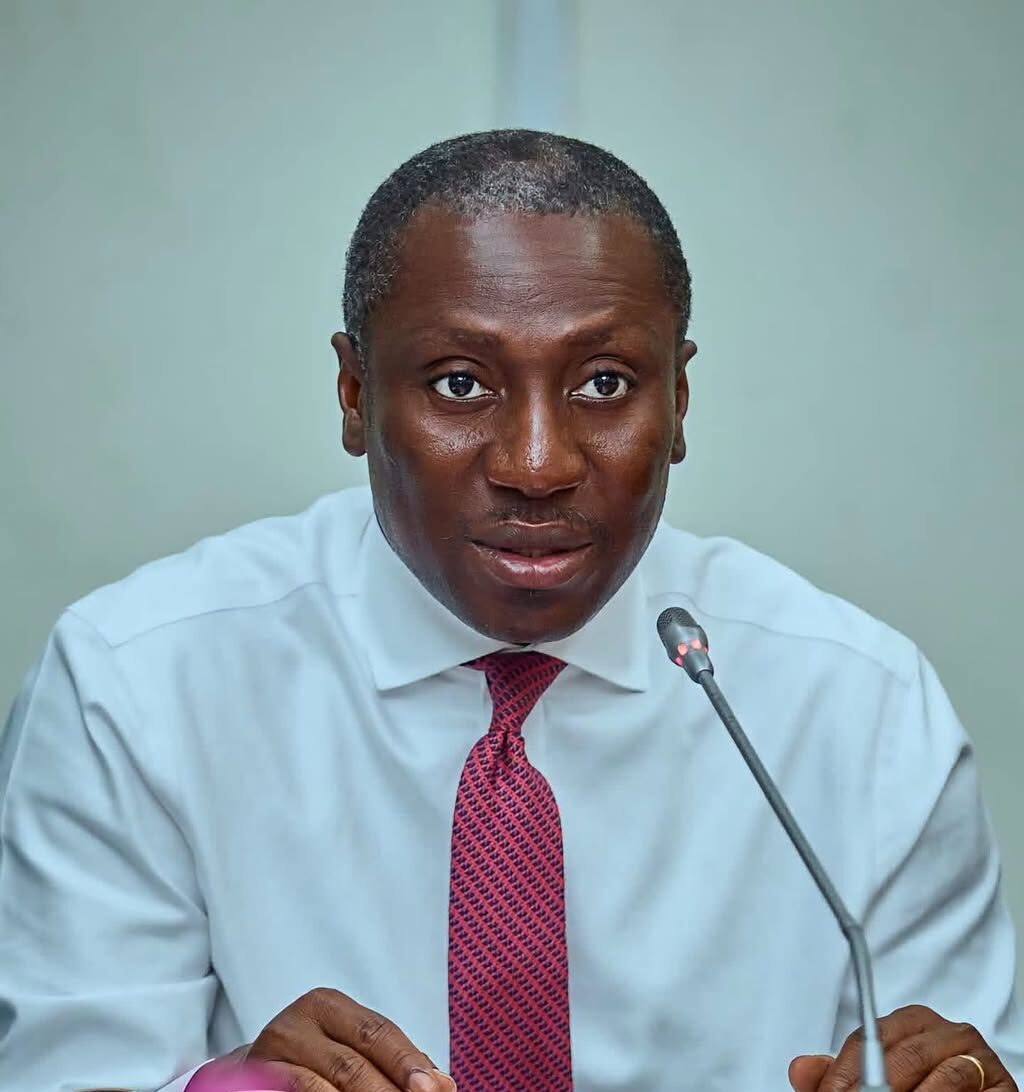
Speaking at the launch of the publication in Accra, Government Statistician Dr Alhassan Iddrisu said the figures highlighted the urgent need for policies that would equip young people with relevant skills and connect them to productive employment.
“Close to two million young people are neither working nor in education or training, what we refer to as the NEET group, and more than six in 10 of them are young women,” he said.
He cautioned that Ghana’s demographic opportunity was time-bound, warning that decisions taken over the next decade would determine whether the country’s growing youth population became an economic advantage or a development burden.
“Ghana’s youth window is open, but it is closing. Our choices on schooling, skills and jobs in the next 10 years will decide whether it becomes a dividend or a burden,” Dr Iddrisu stated.
Youth unemployment and skills mismatch remain major concerns
The GSS report highlights significant challenges beyond the availability of jobs, particularly the quality of employment and the alignment between workers’ education and the skills required by employers.
It indicates that although approximately 65 per cent of employed young people said their skills matched their jobs, only 58 per cent reported that their level of education was appropriate for the work they performed.
The report also found that more than 70 per cent of jobs in Ghana remained informal, while only 7.7 per cent of the country’s 2,644,363 businesses were classified as formal.
According to the GSS, the situation raises concerns about job security, employment protection and whether young people’s education and training are translating into meaningful economic opportunities.
The average NEET rate among people aged 15 to 35 stood at 17.9 per cent during the first three quarters of 2025.
Women were disproportionately affected, while the Central Region recorded the highest regional NEET rate at 25.3 per cent. The rate stood at 20.6 per cent in urban areas and 18.0 per cent in rural communities.
Ghana’s demographic window is narrowing
The report shows that Ghana’s population increased from 18.9 million in 2000 to 33.7 million in 2025, with the country adding approximately 500,000 to 700,000 people annually.
Although the youth population remains at approximately 35 per cent, the proportion of children aged zero to 14 declined from 41.8 per cent in 2000 to 35 per cent in 2025.
The GSS explained that this changing population structure could support faster economic development if the growing working-age population had access to quality healthcare, relevant skills and productive employment.
However, the report indicates that Ghana’s demographic window opened in the early 2000s and has been narrowing since 2019.
The Government Statistician stressed that the opportunity must be matched with deliberate investments in human capital and job creation.
Ghana’s economy records GH¢1.43 trillion GDP
Beyond the labour market, Ghana in Numbers 2025 provides an overview of the country’s economic performance, social development and environmental conditions.
The publication puts Ghana’s nominal Gross Domestic Product (GDP) at GH¢1.43 trillion, equivalent to GH¢42,502 per person, compared with GH¢4,710 per person in 2013.
Inflation declined from 54.1 per cent in December 2022 to 5.4 per cent in December 2025, while multidimensional poverty fell from 31.2 per cent in 2022 to 23 per cent during the first three quarters of 2025.
Life expectancy also increased from 40.3 years in 1960 to 65.1 years in 2021.
Despite these improvements, the report cautions that national progress is not being experienced equally across all sections of society.
Ghana records GH¢148.3 billion trade surplus
The publication further reveals that Ghana recorded a goods trade surplus of GH¢148.3 billion in 2025, with exports valued at GH¢401.5 billion against imports of GH¢253.2 billion.
Gold bullion accounted for 62.9 per cent of total exports, followed by raw cocoa beans at 8.6 per cent and crude petroleum at 8.3 per cent.
On the import side, gas oil accounted for 11.2 per cent, while motor spirit represented 9.2 per cent.
Asia remained Ghana’s largest export destination, accounting for 50.1 per cent of exports, with the United Arab Emirates purchasing goods valued at GH¢104 billion.
The report also highlights the importance of informal cross-border trade, with a first-ever survey recording GH¢38.4 billion worth of goods traded across Ghana’s land borders with Togo, Burkina Faso and Côte d’Ivoire in the year to September 2025.
GSS identifies challenges facing businesses and informal employment
The first Integrated Business Establishment Survey counted 2,644,363 businesses in Ghana in 2024, including businesses operating without permanent buildings.
The number of establishments increased from 638,235 in 2014 to 1.87 million in 2024, while the number of people employed by these businesses rose from 3.38 million to 6.90 million.
Nine out of every 10 establishments were micro businesses employing between one and five people.
The report also found that 84 per cent of open-space businesses were operated by women, while 2,087 children aged between 10 and 14 were engaged in mobile trading.
Greater Accra recorded the highest proportion of formal businesses at 12.8 per cent, while the North East Region had the lowest at 1.8 per cent.
Youth participation in agriculture declines
The GSS also raised concerns about the declining participation of young people in agriculture, a sector considered important to Ghana’s food security and economic development.
The number of people aged 15 to 24 engaged in agriculture fell from 866,000 in 2010 to 381,000 in 2021.
For those aged 15 to 35, the figure declined from 2.026 million to 1.223 million over the same period.
The report’s findings come amid broader concerns about food security, with approximately 13 million people reported to have faced food insecurity in 2025.
Environmental pressures and urbanisation
The publication also highlights growing environmental and urban development challenges.
Ghana’s population has become increasingly urban, with 58.7 per cent of residents living in towns and cities by 2025.
Greater Accra accounted for 6.1 million people, representing 18.2 per cent of the population, while the Ashanti Region had 5.8 million, or 17 per cent.
Together, the two regions accounted for more than one-third of Ghana’s population.
The report further identifies changes in forest cover, rising coastal plastic pollution and urban housing challenges. It indicates that 30.8 per cent of urban residents live in slums.
Coastal plastic debris increased more than fivefold between 2016 and 2019 and, despite a decline in 2020, remained more than four times the 2016 level.
Government Statistician calls for sustained funding for statistics
Dr Iddrisu used the launch to call for sustained domestic financing for statistical activities beyond 2026 to ensure the continued production of reliable national data.
He also appealed for support for the passage of the Statistics Bill through Cabinet and Parliament, arguing that strong statistical institutions were essential for effective national planning and evidence-based policymaking.
He commended the Minister of Finance, Dr Cassiel Ato Forson, for providing for the annual production of the publication in the 2026 Budget and allocating GH¢207 million for the rebasing of GDP and the Consumer Price Index.
In the foreword to the publication, Dr Forson emphasised the importance of reliable data in national development, stating: “Good policy is not built on opinion or guesswork. It is built on evidence.”
The 178-page Ghana in Numbers 2025 brings together official statistics on population, the economy, social development, governance, the environment and the Sustainable Development Goals in a single publication.
The GSS says the publication is intended to provide policymakers, businesses, researchers and the general public with accessible evidence to guide national decisions and assess Ghana’s development progress.