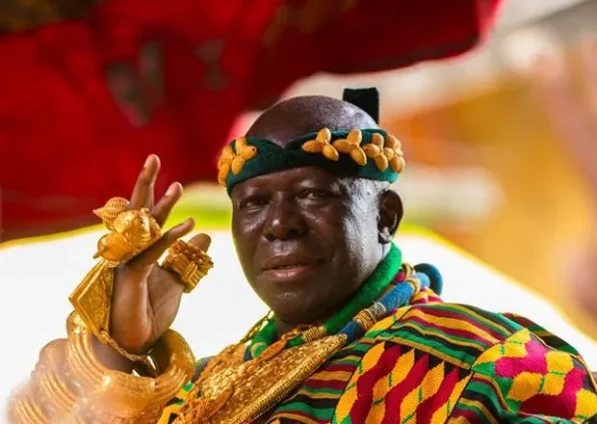







As youth unemployment rises and businesses struggle to find skilled workers, the Ghana Employers Association is pushing Parliament to urgently reform the country’s human capital strategy.The President of the Ghana Employers Association (GEA), Nana Dr E. Adu-Sarkodee Afriyie, has called on Parliament to enact legislation that clearly defines Ghana’s development objectives and aligns them with the skills produced by universities.He warned that the current mismatch between education and industry needs is hindering business growth and worsening unemployment, stressing that many graduates lack practical, job-ready skills.“We are still producing lots of MBAs, and nobody needs them for anything,” he said during an engagement with the Minority Caucus at the GEA head office in Accra on March 31.Nana Dr Afriyie emphasized the need for a fundamental shift in human capital development, calling for a system that produces graduates equipped to meet national and industry demands.“We need people who can actually do things for the nation, and we are not finding them to employ,” he stated, adding that clear policy direction would guide universities to train the right calibre of graduates.The meeting formed part of the Minority Caucus’ broader engagement with the business community to identify challenges affecting enterprises and job creation. Discussions also explored the formation of a joint working group to meet quarterly and propose reforms to strengthen the private sector.The delegation was led by Minority Leader Alexander Afenyo-Markin and included Patricia Appiagyei, Kojo Oppong Nkrumah, Kwaku Kwarteng, Michael Okyere Baafi, and Tweneboa Kodua Fokuo.Nana Dr Afriyie further urged bipartisan collaboration to address the challenge, describing it as a long-term issue requiring policy consistency across political divides.Responding, Minority Leader Alexander Afenyo-Markin described unemployment as a structural national problem and a “national emergency,” citing data showing over 1.3 million young Ghanaians are unemployed.He noted that youth unemployment stands at 32.5 percent among those aged 15 to 24, warning that the situation reflects “deferred human potential and deepening inequality.”Mr Afenyo-Markin expressed optimism that closer collaboration between policymakers and the business community, particularly the GEA, could help address the crisis and improve job creation outcomes.
GEA Urges Parliament to Align Education with Development Needs as Youth Unemployment Deepens