



By Our Democracy News GH
October 20, 2026
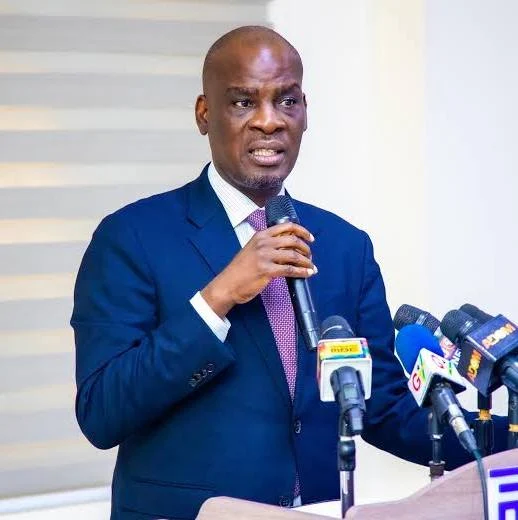
Interior Minister Muntaka Mohammed-Mubarak has disagreed with the Auditor-General’s office over the handling of unpaid earnings owed to former inmates of the Ghana Prisons Service, insisting that the beneficiaries must receive money they earned while serving their sentences.
The disagreement emerged during a Public Accounts Committee (PAC) sitting on Tuesday, October 20, 2026, when officials of the Prisons Service responded to audit findings concerning inmates engaged in paid labour under an arrangement with Zoomlion Ghana Limited.
The audit found that inmates were paid GH¢3 less per day than the approved rate under the memorandum of understanding governing the arrangement. It also identified GH¢277,625 allocated for inmate motivation that was not paid to the intended beneficiaries.
According to the auditors, the money was instead spent on funeral donations, sachet water, tuna, bathroom repairs and other expenses unrelated to inmate training, counselling and rehabilitation.
Responding to the findings, Mr Muntaka said amounts deducted without proper documentation had been refunded. However, he raised concerns about outstanding earnings belonging to former inmates that had been transferred into the Auditor-General’s recovery account.
He explained that Zoomlion made payments for services after they had been rendered, meaning some inmates were released before the company settled the amounts owed to the Prisons Service.
Some former inmates subsequently returned to claim their earnings after learning that the outstanding payments had been received.
“These are monies they have earned,” Mr Muntaka told the committee, arguing that the Prisons Service and the Auditor-General’s office should collaborate to ensure the beneficiaries received their entitlements.
The minister said he had contacted the Auditor-General over the matter and proposed that the funds be returned to the Prisons Service for payment to eligible former inmates.
Alternatively, he suggested that the Prisons Service could provide a verified list of beneficiaries and direct them to the Auditor-General’s office to collect their money.
The audit team, however, defended the transfer of the funds into the recovery account, explaining that prison officials had reported difficulties contacting former inmates.
Auditors said attempts to reach beneficiaries using the telephone numbers available to prison officials had been unsuccessful. They also cited human rights concerns about sharing the inmates’ contact details with the audit team.
The auditors maintained that their recommendation required inmates still in custody to be paid before any remaining balance was transferred into the recovery account.
The committee stressed the need for proper documentation and clear procedures to ensure that former inmates received their earnings while public funds remained adequately accounted for.
Mr Muntaka said his ministry would work with the auditors to resolve the disagreement, acknowledging the need for better coordination and documentation to prevent similar problems.
He also called for greater investment in prison rehabilitation programmes to equip inmates with practical skills and income-generating opportunities that could support their reintegration into society after release.