






By Our Democracy News GH
October 21, 2026
Ghana recorded 256 defilement cases in the first three months of 2026, Interior Minister Muntaka Mohammed-Mubarak has disclosed, warning that the official figures may significantly understate the scale of sexual abuse because some cases are never reported or are suppressed before reaching senior authorities.
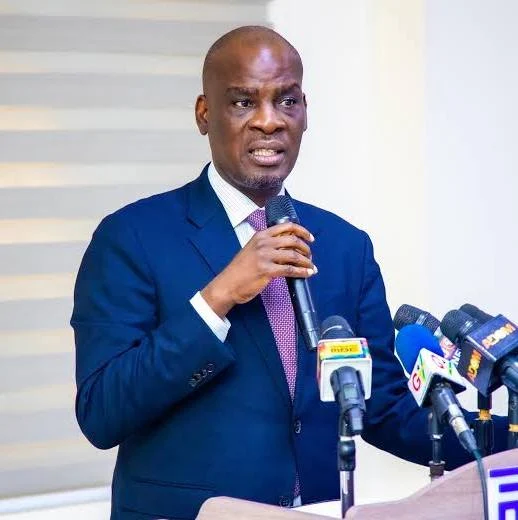
Speaking before Parliament’s Public Accounts Committee (PAC) on Tuesday, October 20, the Minister said the country continued to face a serious challenge with defilement, stressing that efforts to address the crime must go beyond monitoring reported cases to include protecting victims and addressing the lasting psychological and emotional trauma they endure.
Mr. Muntaka cited statistics showing that approximately 1,600 cases were recorded in 2022, about 1,300 in 2023 and nearly 1,400 in 2024. The figure declined to approximately 1,100 in 2025, while 256 cases were reported in the first quarter of 2026.
He cautioned against interpreting the decline in reported cases as proof that the problem was being adequately addressed.
“I’m looking at it from that angle. I’m not looking at whether the number is going down,” he told the committee, referring to the long-term trauma suffered by girls who experience sexual abuse.
The Minister said some cases were allegedly suppressed at the community level, police stations or regional offices, preventing them from reaching senior officers and being captured in official statistics.
He warned that the number of reported cases therefore did not necessarily reflect the actual prevalence of defilement in the country.
Government pursues improved crime reporting
To address weaknesses in crime reporting and strengthen accountability, Mr. Muntaka said the government was pursuing a coordinated response involving security agencies and the Ministries of Education and Gender.
He disclosed that efforts to improve collaboration among the relevant institutions had been underway since June, adding that agencies working independently could undermine attempts to tackle sexual abuse, particularly in educational institutions.
A key measure is the deployment of the National Crime Biometric Information System (NCABIS), which is intended to improve the recording and monitoring of criminal cases.
According to the Minister, the system is being deployed at 751 locations, compared with approximately 600 police stations nationwide.
He said the system would enable crimes to be recorded when they occur and allow senior police officials, including the Inspector-General of Police, to monitor reported cases.
It is also expected to help members of the public verify that their complaints have been formally recorded, making it more difficult for cases to be withdrawn or concealed without scrutiny.
Obuasi SHTS abuse allegations
The Minister’s comments followed concerns raised by PAC Chairperson Abena Osei-Asare about allegations of sexual abuse involving female students at Obuasi Senior High Technical School (SHTS) and what she described as an apparent lack of action against the alleged perpetrator.
Addressing the case, Mr. Muntaka said the matter was brought to his attention on September 7, after which he directed that the investigation be transferred from the regional level to Police Headquarters in Accra.
He confirmed that the suspect had been arrested and had given a statement to investigators. He added that investigators were pursuing DNA evidence in accordance with the law.
The Minister also emphasised the need to support affected girls beyond the criminal investigation, saying the government was working with relevant ministries to consider measures to help victims recover from the psychological and emotional effects of abuse.
He maintained that tackling defilement required effective reporting systems, thorough investigations, prevention measures and support for victims.
The Minister’s warning highlights concerns that official crime statistics may not fully reflect the scale of sexual abuse in Ghana, particularly where victims or their families face barriers to reporting cases or where complaints fail to progress through the relevant institutions.