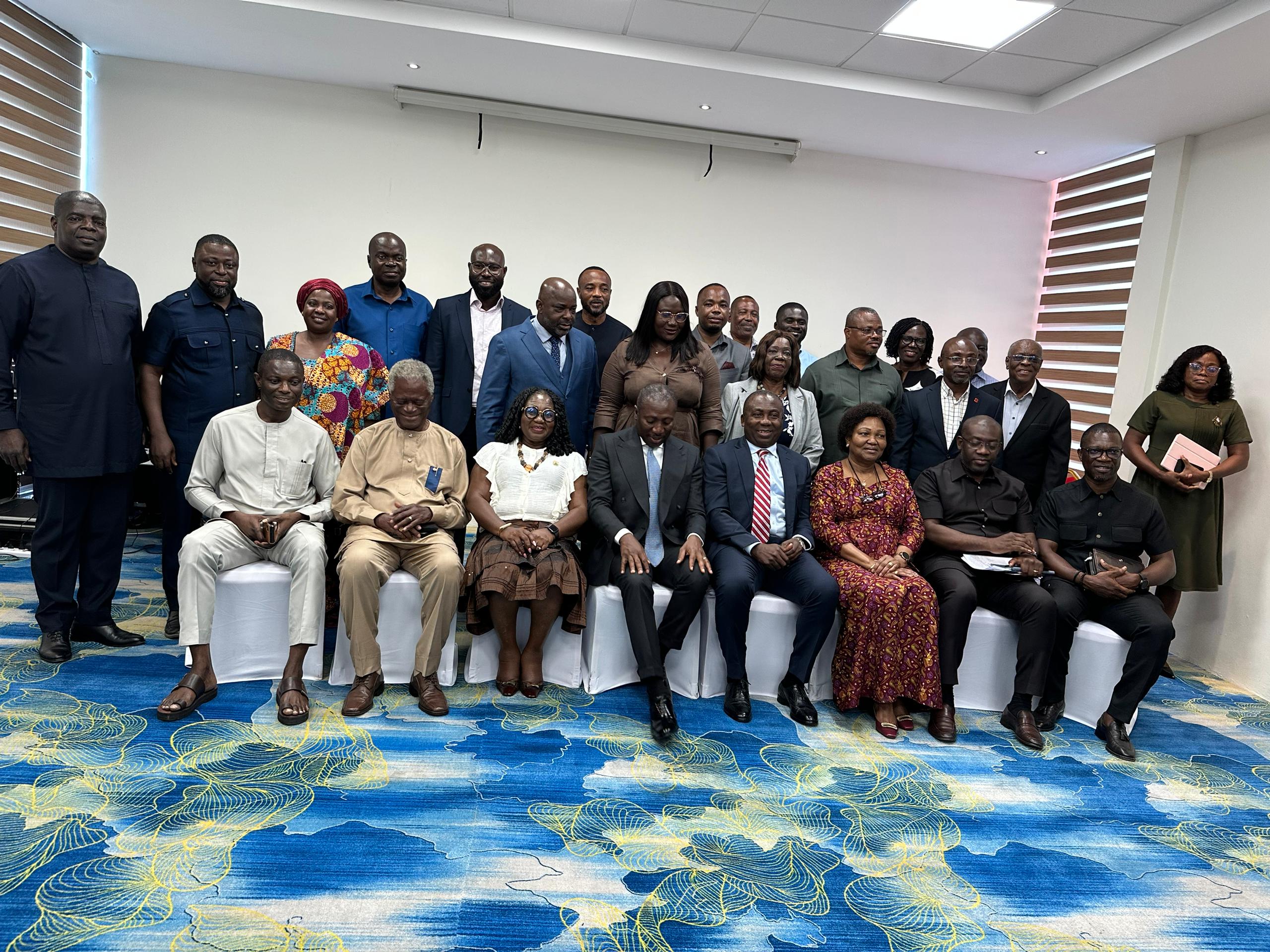



Ghana’s Minority Caucus and the Ghana Employers’ Association (GEA) have raised alarm over rising mining taxes, controversial AI-driven customs assessments, weak labour policies and the continued exclusion of industry from key government decisions.The Minority Caucus in Parliament has warned that poor policy decisions and lack of consultation with industry are hurting businesses and threatening investment, following a high-level meeting with the Ghana Employers’ Association (GEA).Led by Minority Leader Alexander Afenyo-Markin, the delegation met the GEA Council on March 31, 2026, to discuss growing pressures on employers across sectors including mining, manufacturing and agriculture.The Caucus said the most pressing concern raised was the government’s failure to consult industry players before introducing major policies, describing the practice as systemic and harmful. According to the GEA, proposals submitted by industry are often ignored, with decisions taken without engagement.On mining, the Minority highlighted what it described as an “unsustainable” tax burden, noting that Ghana’s effective tax rate is among the highest globally. The Caucus warned this is driving investment away. It also opposed plans to reduce mining lease periods from 30 to 15 years, saying it would discourage long-term capital investment.The group further criticised the use of AI in customs duty assessments at the ports, particularly the Publican Trade Solution integrated with ICUMS. It cited cases where importers were charged duties far above actual transaction values. While supporting technology in governance, the Minority insisted the system lacks transparency, validation and a proper appeals process.The GEA also raised concerns about weak support for local businesses, arguing that current policies favour foreign companies over Ghanaian enterprises, especially small and medium-sized firms.In agriculture, stakeholders pointed to lack of long-term financing and land access challenges as key barriers, particularly in the oil palm sector. Smuggling of cheap palm oil into the country was also identified as undermining local production.Labour concerns were also discussed, with employers warning that current minimum wage structures could increase casualisation due to the high cost of compliance.Additionally, the cement industry and other manufacturers flagged unfair competition from foreign producers, while employers across sectors cited a mismatch between education outcomes and industry needs, leading to skills shortages.In response, the Minority Caucus announced plans to intensify parliamentary oversight. These include pushing for mandatory pre-legislative consultations, probing the AI customs system, opposing changes to mining lease terms, and advocating targeted support for agriculture and local industry.The Caucus also proposed a quarterly engagement framework with the GEA to ensure continuous dialogue between policymakers and employers.The Minority stressed that businesses are not seeking special treatment but a stable and predictable policy environment, warning that failure to address these concerns will continue to weaken Ghana’s economic competitiveness.
Minority, GEA Warn of Policy Failures, High Mining Taxes and Flawed AI Customs System