


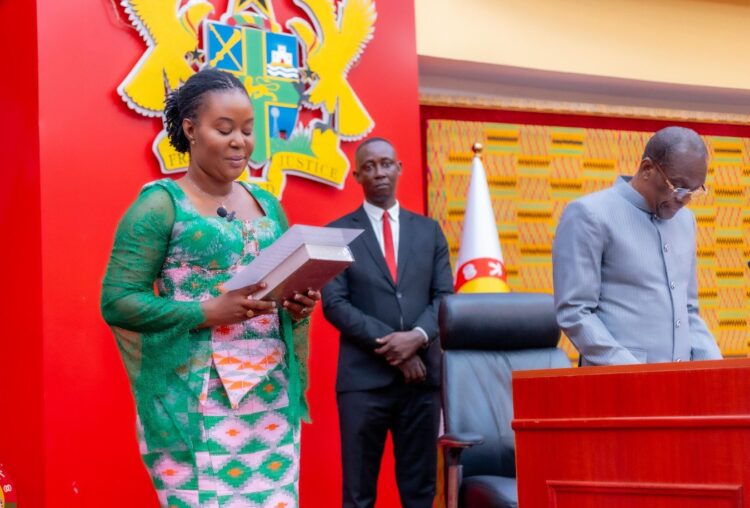
“Thank you, Rt. Hon. Speaker, for this opportunity.
Today, I rise on behalf of the people of Ablekuma North and in solidarity with millions across Ghana and the world to mark World Cancer Day 2026, observed under the theme “United by Unique.” This theme reminds us that behind every statistic is a human being, a family, and a community whose lives are profoundly affected by cancer.
Rt. Hon. Speaker, cancer is no longer a distant or rare disease in Ghana. It is a growing public health challenge that cuts across age, gender, income level, and geography. Available data indicate that Ghana records over 24,000 new cancer cases annually, with breast, cervical, prostate, liver, and colorectal cancers being the most prevalent. Sadly, many of these cases are diagnosed at advanced stages, when treatment options are limited and less effective.
In Ablekuma North, as in many other constituencies, we continue to witness families grappling with the emotional and financial burden of cancer. The disease does not only threaten lives; it impoverishes households, disrupts livelihoods, and places enormous pressure on our health system.
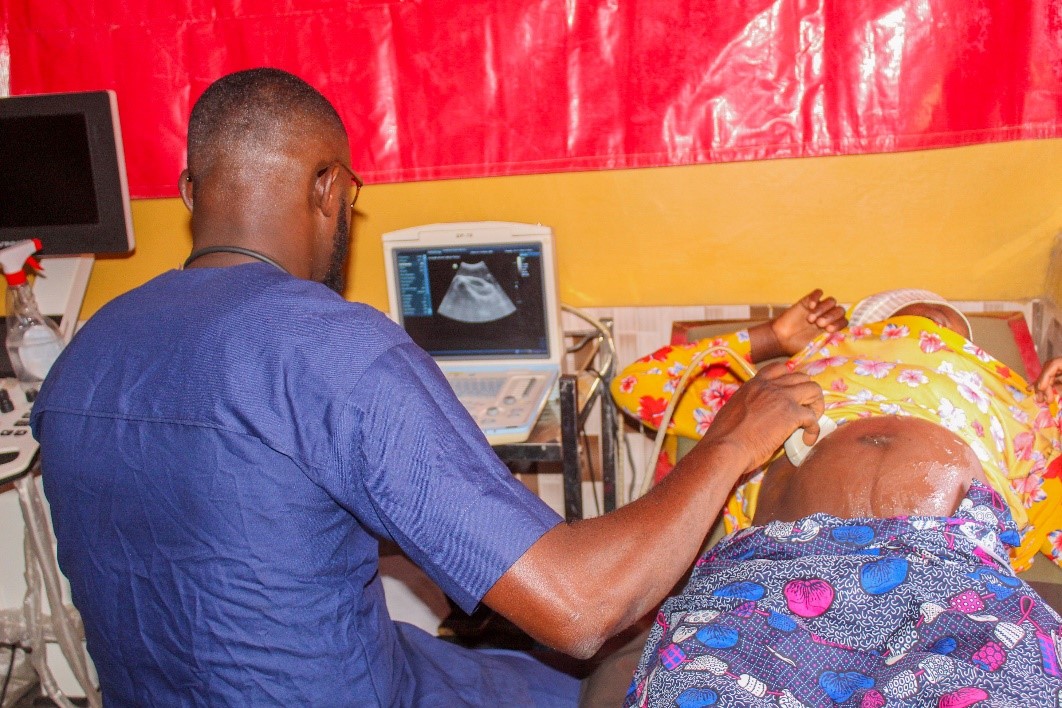
Honourable Members, one of the most worrying aspects of Ghana’s cancer burden is late detection. Limited access to screening services, high costs, cultural beliefs, misinformation, fear, and stigma continue to discourage early health-seeking behaviour. As a result, too many Ghanaians present at health facilities when the disease has already progressed to critical stages.
Rt. Hon. Speaker, despite these challenges, Ghana has made commendable strides. The Ministry of Health and the Ghana Health Service have expanded screening programmes, particularly for breast and cervical cancer, while oncology centres at Korle Bu, Komfo Anokye, Tamale Teaching Hospital and other facilities have improved access to specialist care. Public education campaigns have also helped raise awareness.
However, Mr Speaker, awareness alone is not enough. The greatest obstacle remains the cost of cancer care, Chemotherapy, radiotherapy, surgery, and supportive care are far beyond the means of the average Ghanaian. Although the National Health Insurance Scheme provides some support, coverage remains inadequate, making cancer a devastating diagnosis for many
i is therefore appropriate to commend His Excellency President John Dramani and the Government of Ghana for the establishment of the Ghana Medical Trust Fund, popularly known as MahamaCares. This bold and compassionate initiative offers financial support to Ghanaians suffering from chronic and life-threatening diseases, particularly cancer. It reinforces the principle that access to quality healthcare is a fundamental right, not a privilege.
As a House, we must support this Fund through adequate resourcing, strong oversight, and transparency.
Rt. Hon. Speaker, beyond treatment, we must invest more in prevention and early detection.
Evidence shows that a significant proportion of cancers can be prevented through healthy lifestyles, vaccination, and regular screening. Health education must therefore be strengthened in our schools, workplaces, religious institutions, and communities.
Mr Speaker, we must also decentralise cancer services. It is unacceptable that patients continue to travel long distances to access radiotherapy and specialised oncology care. Expanding regional cancer centres and training more specialists will reduce delays, lower costs, and improve treatment outcomes.
Rt. Hon. Speaker, on this World Cancer Day, I urge this House to treat cancer as a national development issue. A healthy population is the foundation of productivity and economic growth. Investing in cancer care is an investment in Ghana’s future.
In conclusion, let us work towards a Ghana where no citizen dies simply because they are poor; where early screening is accessible; where patients are supported with dignity; and where initiatives such as MahamaCares are strengthened as permanent pillars of our health system.
Together, let us ensure that the message of World Cancer Day 2026 is not merely symbolic, but truly transformative for the people of Ghana.
I thank you, Rt. Hon. Speaker,”