



By Our Democracy News GH
Parliament is preparing to introduce electronic voting, strengthen seat-based attendance monitoring and explore artificial intelligence (AI) integration as part of a broader digital transformation of the legislature.
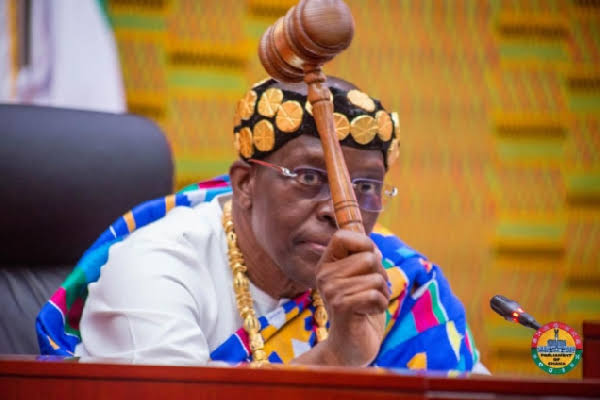
The Speaker of Parliament announced the planned reforms in his welcome address, disclosing that an electronic voting system would be piloted during the current meeting to speed up decision-making, improve voting efficiency and reduce errors associated with manual vote counting.
He said the electronic voting system would complement the biometric attendance system and other technological improvements being implemented by the Parliamentary Service.
MPs cautioned over designated seating arrangements
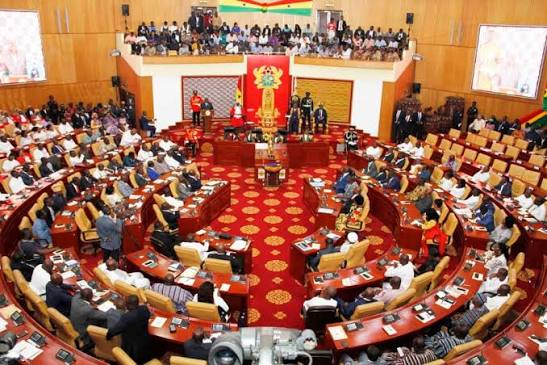
The Speaker also cautioned Members of Parliament against occupying seats that have not been officially assigned to them, explaining that attendance records and microphone operations would be connected to designated seating positions.
He warned that MPs who occupy the wrong seats could encounter difficulties with attendance registration and accessing microphones when seeking to contribute to parliamentary debates.
Members were therefore urged to comply with the approved seating arrangements to ensure the smooth operation of the new systems.
Addressing concerns about the use of technology, particularly among MPs with limited computer experience, the Speaker assured members that the systems would be user-friendly and that technical assistance would be available during the transition.
He encouraged MPs to cooperate with the Parliamentary Service as the House moves from largely manual procedures towards a digitally enabled parliamentary system.
Clerk directed to develop plan for AI integration
The Speaker further revealed that he had instructed the Clerk of Parliament to engage the Minister for Communication, Digital Technology and Innovations, the National Communications Authority and other technical consultants to develop a framework for the effective and responsible use of artificial intelligence in parliamentary operations.
He noted that technology had become increasingly important in improving institutional efficiency, accountability and service delivery in modern legislatures.
The Speaker urged Parliament to adapt to emerging technological developments and prepare for the demands of the evolving industrial revolution.
Speaker calls for cooperation during eight-week meeting
Turning to the legislative agenda, the Speaker reminded MPs that the House had eight weeks to undertake its assigned responsibilities, stressing the need for preparation, diligence and constructive engagement.
He called on both sides of the House to work together to ensure the orderly and timely conduct of parliamentary business while maintaining the integrity of legislative procedures.
He further emphasised that Parliament’s credibility depended on the collective conduct of its members.
The Speaker urged MPs to make the House a platform for addressing national challenges, resolving disagreements through dialogue and prioritising the public interest over partisan considerations.
He concluded by appealing for mutual respect, cooperation and renewed commitment to parliamentary democracy to ensure a productive meeting.