




By Our Democracy News GH
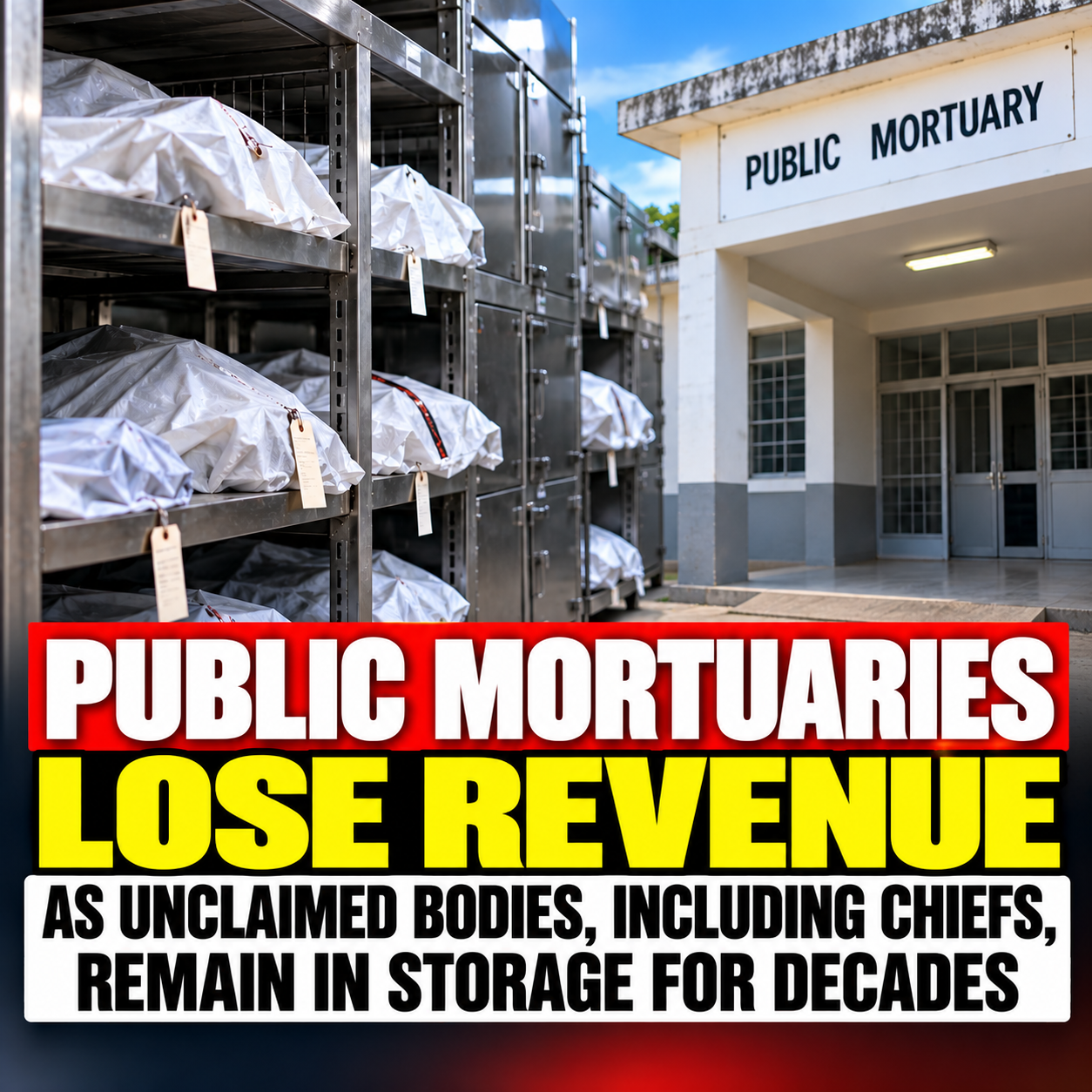
ACCRA, Ghana — Public hospitals in Ghana are losing revenue and facing severe mortuary congestion as unclaimed bodies, including those of chiefs and members of royal families, remain in storage for years, with some at the Komfo Anokye Teaching Hospital (KATH) in Kumasi reportedly preserved for more than 25 years.
The Auditor-General’s report on an audit of eight public healthcare facilities has revealed that prolonged legal disputes over burial rights, delays in collecting bodies, poor record-keeping and weaknesses in mortuary management are contributing to financial losses and overcrowding.
The report further found that the hospitals spent nearly GH¢190,000 on mass burials of thousands of unclaimed bodies over five years, while some mortuaries operated beyond their approved storage capacities.
The audit, conducted between July and August 2025, covered the period from 2019 to 2024 and assessed three teaching hospitals, three regional hospitals and two municipal or district hospitals across the Greater Accra, Western, Northern and Ashanti regions.
KATH holds unclaimed bodies for more than 25 years
At KATH, some bodies deposited at the mortuary more than 25 years ago remained unclaimed, occupying storage space that could otherwise accommodate new admissions.
According to the Auditor-General’s report, some of the bodies belonged to chiefs and other royals whose burials had been delayed by ongoing litigation and disputes over burial rights.
The report said the Mortuary Services Unit repeatedly sought management approval to dispose of the mummified bodies, but its requests were unsuccessful.
The prolonged storage continued to attract costs, while the hospital lost potential revenue from the space occupied by the bodies. However, mortuary management could not provide the total outstanding bills because of inadequate record-keeping.
The Fourth Estate, which reported the audit findings, said it requested information from KATH in July 2026 on the number of unclaimed mummified bodies, the cost of preserving them and the effects of congestion on the hospital’s operations. The hospital had not provided the requested details at the time of the report.
Mortuary fees and revenue losses
Figures obtained from the Korle Bu Teaching Hospital mortuary indicate that preserving a body for a year costs approximately GH¢14,500.
According to a mortuary official cited by The Fourth Estate, the daily storage fee is GH¢25 for the first week, GH¢35 for the second week and GH¢40 per day thereafter until the body is collected.
The Auditor-General also identified cases in which mortuary managers and workers allegedly waived fees, resulting in revenue losses for public hospitals.
The findings point to weaknesses in the collection of mortuary charges, the maintenance of financial records and the enforcement of procedures for disposing of unclaimed bodies.
Hospitals spend nearly GH¢190,000 on mass burials
The audit found that the eight healthcare facilities spent nearly GH¢190,000 on mass burials of thousands of unclaimed bodies over the five-year period examined.
Korle Bu Teaching Hospital alone spent GH¢85,412 on the mass burial of 5,808 bodies, according to the report.
The report also highlighted differences in burial expenditure among the facilities. Bekwai Municipal Hospital spent GH¢1,250 per body, compared with approximately GH¢14.70 per body at Korle Bu.
These expenditures add to the financial pressures facing public hospitals, which must manage the costs of storing bodies while dealing with delays in collection and outstanding mortuary bills.
Mortuaries exceed storage capacity
The Auditor-General found that all eight hospitals audited had exceeded their approved mortuary storage capacities at the time of inspection.
Korle Bu Teaching Hospital’s mortuary held 148 bodies above its approved capacity of 457, while KATH stored an average of 276 bodies above its capacity of 832.
The report warned that overcrowding had resulted in unsafe conditions, with bodies sometimes placed on floors or stacked in ways that compromised the dignity of the dead and increased health risks.
It attributed the congestion to delayed collection of bodies, weak enforcement of disposal timelines, insufficient expansion of facilities and the absence of mortuaries at some hospitals and in some communities.
Mortuary attendants exposed to health risks
The audit also identified inadequate protective equipment, limited medical screening and insufficient training for mortuary attendants at the facilities examined.
At Korle Bu, the report said management had been notified in May 2021 about irregular supplies of nose masks, gloves and sanitiser, but the concerns were not addressed adequately.
It further stated that six attendants were exposed to Lassa fever in May 2024 because they lacked disposable coveralls while handling an infectious body.
An inspection also found attendants working without essential protective items, including nose masks, gloves, scrubs and Wellington boots.
At Tamale Teaching Hospital, mortuary attendants reportedly requested personal protective equipment in October 2024 but did not receive it until June 2025.
According to the report, attendants said the delays exposed them to formalin fumes during embalming, causing headaches, throat irritation, persistent coughing, vomiting and heartburn.
Hospital authorities attributed shortages of protective equipment to financial constraints that affected their ability to pay suppliers.
Royal disputes have delayed burials for years
The report’s findings reflect a longstanding problem involving royal and family disputes over burial arrangements at KATH.
In 2009, the late queen of Donyina, Nana Akosua Gyamfua Boahemaa, was buried after her body had remained in the mortuary for eight years.
Nana Konadu Yiadom, queen mother of Tafo, who died in April 1995, was buried in November 2002 following a prolonged chieftaincy dispute.
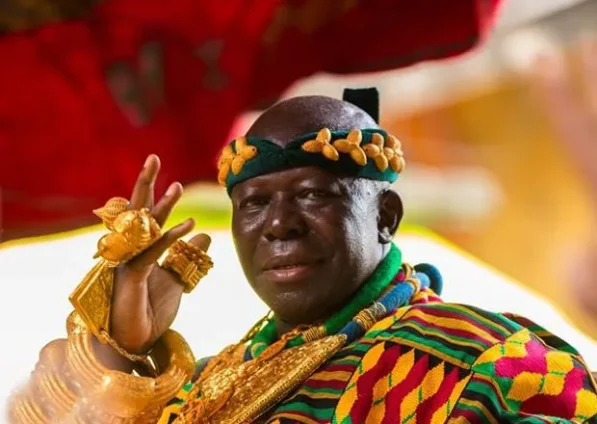
In another case, 18 members of the Agona Royal Family reportedly remained at KATH for 13 years because of a family dispute. They were eventually buried in November 2022 following the intervention of the Asantehene, Otumfuo Osei Tutu II.
More recently, members of the Tafo Royal Family appealed to the Asantehene to intervene in disputes that had delayed the burial of several relatives.
Auditor-General recommends reforms
To address the challenges, the Auditor-General has recommended stricter enforcement of timelines for collecting and disposing of unclaimed bodies, stronger revenue controls and improved record-keeping.
The report also calls for better maintenance of mortuary facilities, adequate supplies of personal protective equipment, improved staff training and upgrades to security and sanitation systems.
The findings highlight the need for public hospitals to balance the respectful handling of human remains with effective financial management, safe working conditions and sufficient storage capacity.