



By Our Democracy News GH
October 18, 2026
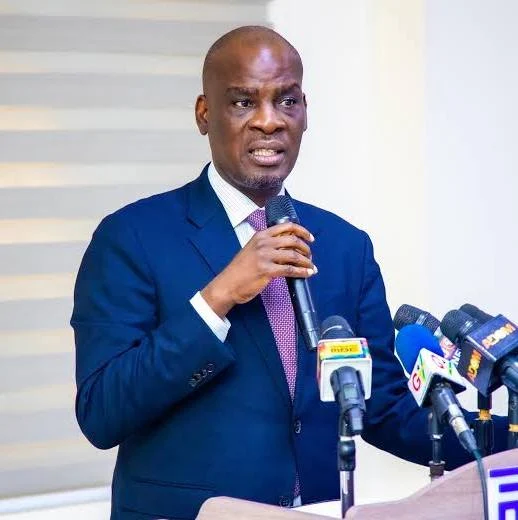
Suame Member of Parliament John Darko has cautioned journalists against misrepresenting parliamentary privilege as blanket immunity for Members of Parliament (MPs), stressing that the legal protections are subject to specific conditions and do not place lawmakers above the law.
Mr Darko said parliamentary privilege is intended to enable MPs to perform their constitutional duties without undue interference, but does not automatically protect them from accountability for actions outside their official parliamentary functions.
He made the remarks while representing Minority Leader Alexander Afenyo-Markin at a two-day training workshop for members of the Parliamentary Press Corps (PPC) in Accra last Thursday.
“Know that protection belongs to the institution and its work, not to every act of an MP,” he said.
Mr Darko explained that parliamentary privilege safeguards the work of the legislature rather than granting lawmakers personal immunity in every circumstance.
“Parliamentary privilege is available to Honorable John Darko to enable him to discharge his constitutional mandate without let or hindrance, and not to his personhood in his private capacity as John Darko,” he stated.
The Suame MP urged journalists to understand the circumstances under which parliamentary privilege applies before making claims about the legal protections available to lawmakers.
He also warned MPs against interpreting the privilege as permission to make irresponsible statements without consequences.
“Whatever you say in Parliament, you enjoy privilege. But that privilege also enjoins you not to be irresponsible,” he said.
According to Mr Darko, MPs are expected to substantiate claims made during parliamentary debates and may be directed by the Speaker to withdraw statements they cannot support.
He further distinguished parliamentary privilege from immunity, explaining that the two concepts serve different purposes. While parliamentary privilege protects the functions and proceedings of Parliament, immunity provides specific legal protections against certain legal procedures or compulsory attendance.
Mr Darko cautioned journalists against interpreting either concept as placing MPs above the law.
“Neither term means above the law. Always ask, what activity? Where? When? Which provisions?” he told participants.
He said the circumstances surrounding a statement are critical in determining whether parliamentary privilege applies, urging reporters to distinguish comments made during parliamentary proceedings and committee meetings from those delivered at press conferences, on radio programmes or during television interviews outside official parliamentary functions.
He added that parliamentary committees may conduct official business outside the parliamentary chamber, meaning the location alone does not determine whether privilege applies.
Mr Darko noted that protections could also extend to witnesses summoned before parliamentary committees and individuals performing authorised functions on Parliament’s behalf, subject to applicable rules.
He urged journalists to avoid sweeping descriptions of parliamentary privilege and immunity that could mislead the public about the scope of legal protections available to lawmakers.