



By Dennis Awuni | Democracy News
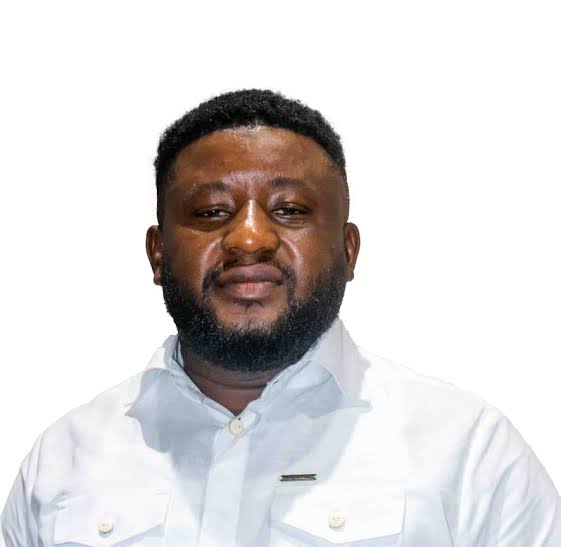
ACCRA, GhanaDean of the Parliamentary Press Corps (PPC), Simon Agianab, has urged journalists covering Parliament to embrace artificial intelligence (AI) to improve the accuracy, depth and efficiency of their reporting while upholding professional ethics, editorial independence and journalistic integrity.
Speaking at a workshop for members of the Parliamentary Press Corps on Thursday, October 15, 2026, Mr Agianab said AI tools could help journalists transcribe parliamentary debates, summarise lengthy documents, analyse budgets and research legislation, enabling them to produce more comprehensive and evidence-based reports.
He cautioned, however, that AI should support rather than replace journalists’ professional judgement, independent verification and responsibility for published content.
“AI tools can assist journalists in transcribing debates, summarising lengthy reports, analysing budgets and researching legislation. However, these tools must support rather than replace professional judgement,” he said.
Mr Agianab urged parliamentary correspondents to verify AI-generated information against reliable sources, protect confidential information and avoid publishing fabricated quotations or misleading content.
Journalists urged to strengthen parliamentary knowledge
The PPC Dean emphasised that effective parliamentary reporting requires a sound understanding of Ghana’s constitutional framework, parliamentary procedures and legislative processes.
He drew attention to Articles 115 and 116 of the 1992 Constitution, which provide protections relating to freedom of speech and debate in Parliament, cautioning journalists that these protections do not automatically exempt publications outside Parliament from applicable legal and ethical obligations.
He urged reporters to familiarise themselves with Parliament’s Standing Orders, committee proceedings, motions, amendments and voting procedures.
According to him, journalists must also distinguish between bills and Acts of Parliament, committee recommendations and decisions formally taken by the House, as well as political claims and independently verified facts.
“Journalists must report proceedings accurately and fairly, distinguish Parliamentary statements from independent facts,” he stated.
Agianab cautions against unethical journalism
Mr Agianab warned that financial pressures, inadequate remuneration and competition for audience attention should not drive journalists into bribery, sensationalism, misinformation or practices that compromise editorial independence.
He said media organisations also had a responsibility to provide fair working conditions and protect journalists from improper commercial and political influence.
The Dean encouraged parliamentary correspondents to remain independent, question public officials when necessary and resist inducements that could undermine their professional responsibilities.
He stressed that public confidence in parliamentary journalism depended on the integrity with which reporters gathered, verified, interpreted and communicated information.
Calls for greater use of Right to Information Act
Mr Agianab further urged journalists to make effective use of Ghana’s Right to Information Act, 2019 (Act 989), to obtain public records, investigate government expenditure and scrutinise policy implementation.
He said the law provided a framework for strengthening evidence-based reporting, subject to its procedures and exemptions.
He also called on Parliament to recognise the media’s role in promoting transparency and accountability, urging participants at the workshop to commit themselves to continuous professional development and reporting in the public interest.
The workshop comes amid growing interest in the use of artificial intelligence in newsrooms, including its potential to support research, document analysis and the processing of complex parliamentary information.
Mr Agianab urged participants to use the training to strengthen their professional standards while ensuring that technological innovation remained guided by accuracy, accountability and ethical journalism.