


By Dennis Awuni | Parliamentary Correspondent
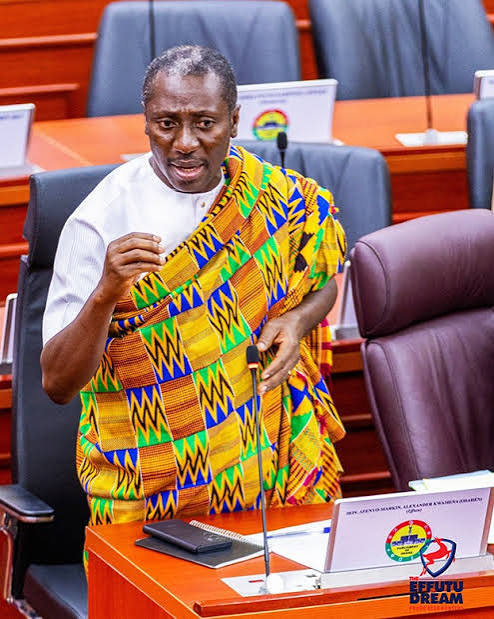
The Minority Leader, Osahene Alexander Kwamina Afenyo-Markin, has launched a wide-ranging criticism of the John Mahama administration, accusing the government of executive incompetence, failing to fulfil key campaign promises and weakening public confidence in Ghana’s democratic institutions.
Delivering his closing remarks at the end of Parliament’s Second Meeting on Friday, July 31, 2026, Afenyo-Markin said the Minority would remain committed to scrutinising government actions and holding the administration accountable.
He urged members of the Minority Caucus not to be discouraged by criticism or accusations that they oppose every government initiative, stressing that their responsibility was to defend the public interest and speak for the people. Second Meeting.pdf
Afenyo-Markin said Parliament must remain an institution where political debate serves the public good and where decisions protect the freedoms, opportunities and future of Ghanaians. Second Meeting.pdf
The Minority Leader argued that the country was facing what he described as a combination of executive incompetence, “majority tyranny” in Parliament and a judiciary he alleged had become timid or malleable.
“Our Republic, under this NDC administration, is not in safe hands,” he said, arguing that these developments were weakening citizens’ faith in democracy. Second Meeting.pdf
Calls for Accountability Over June Disasters
Afenyo-Markin raised concerns about the June floods and fire incidents, citing figures attributed to the National Disaster Management Organisation (NADMO), which he said showed that at least 34 people died while six others went missing.
He called for members of the task force responsible for disaster preparedness to appear before the appropriate parliamentary committee to account for their actions and omissions.
According to him, the country deserved answers and accountability rather than silence following the tragedies. Second Meeting.pdf
The Minority Leader also demanded parliamentary investigations into the state helicopter crash and deaths recorded during a Ghana Armed Forces recruitment exercise.
He maintained that the investigations should be conducted openly and should have the authority to summon witnesses, question officials and publish their findings. Second Meeting.pdf
Minority Questions Mid-Year Budget Figures
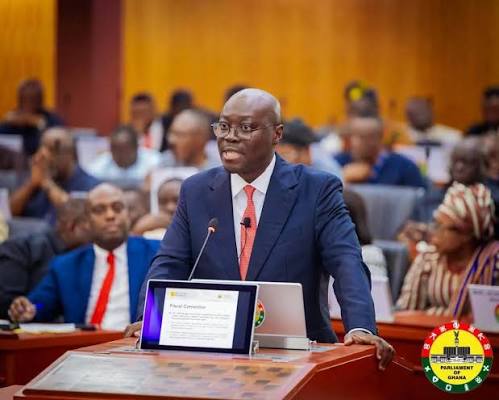
Turning to the 2026 Mid-Year Budget Review presented by the Finance Minister on July 23, Afenyo-Markin alleged that the document contained inconsistencies.
He cited differences in inflation figures and referred to concerns reportedly raised by policy analyst Dr Adu Owusu Sarkodie regarding expenditure and capital expenditure figures appearing differently across pages of the budget document.
The Minority Leader called on the Finance Minister to return to Parliament and provide what he described as a consistent and accurate presentation of the country’s fiscal figures.
“A budget is not just arithmetic. It is a promise,” Afenyo-Markin said, arguing that inconsistencies could undermine public confidence in government commitments. Second Meeting.pdf
Government Accused of Failing to Deliver Promises
Afenyo-Markin also questioned the status of several government commitments, including the “Akoko Nkitinkiti” initiative, employment for trained nurses and teachers, the Women’s Bank, procurement reforms, the 24-hour economy, the “One Job, Three Shifts” policy and cost-free first-year university education. Second Meeting.pdf
He argued that Ghanaians voted for the government based on expectations of delivery and not political slogans.
The Minority Leader said the government owed citizens clear answers regarding the implementation of its campaign promises.
Minority Opposes Tribunal Bill
A major part of Afenyo-Markin’s address focused on the legislation establishing district and regional tribunals.
While acknowledging that the Constitution provides for public and regional tribunals, he argued that concerns remained about the proposed system. Second Meeting.pdf
He referred to recommendations from the Constitutional Review Committee chaired by Professor H. Kwasi Prempeh, which, according to him, advised that the tribunal system should be removed and replaced with ordinary courts.
Afenyo-Markin criticised the passage of the bill and said the Minority walked out during the vote to demonstrate its opposition. Second Meeting.pdf
He expressed concern that tribunal panel members might not necessarily be lawyers and argued that individuals without legal training could be placed in positions to adjudicate serious cases.
The Minority Leader called on President Mahama not to assent to the bill and urged him to return it to Parliament for reconsideration. Second Meeting.pdf
Concerns Over Opposition Harassment and Bail
Afenyo-Markin further accused the government of using state investigative and prosecutorial institutions to target members of the New Patriotic Party and the Minority Caucus.
He claimed that opposition figures were being subjected to harassment because of their political views and warned that such actions could create a culture of silence. Second Meeting.pdf
He also alleged that bail conditions imposed on some opposition figures were excessively difficult to meet and called for reforms to ensure that bail protected liberty rather than becoming a form of punishment before trial. Second Meeting.pdf
Calls for Protection of Free Speech
On free expression, the Minority Leader expressed concern about what he described as attempts to revive aspects of criminal libel through existing provisions of the Criminal Offences Act.
He said the Minority had introduced a bill seeking amendments to Sections 207 and 208, which deal with insult and false news.
Afenyo-Markin maintained that while irresponsible speech should not be encouraged, citizens should not face imprisonment for criticising political leaders or making factual errors, arguing that such matters could be addressed through civil litigation. Second Meeting.pdf
Galamsey and the Justice System
The Minority Leader also accused the government of applying different standards in its fight against illegal mining, popularly known as galamsey.
He questioned why allegations involving persons connected to the government had not received the same level of investigation and prosecution that, in his view, had been applied to opposition figures. Second Meeting.pdf
Afenyo-Markin, however, commended the Supreme Court for upholding the constitutionality of the Office of the Special Prosecutor, describing the institution as an important safeguard for the country.
He cautioned that the Attorney-General’s power to discontinue prosecutions should not be used selectively or to protect politically connected individuals. Second Meeting.pdf
Minority Pledges Continued Oversight
In his closing remarks, Afenyo-Markin said the Minority had taken positions in defence of victims of the June disasters, press freedom, free speech, accountability, the fight against illegal mining and equal treatment under the law.
He said the Minority would continue to demand answers and hold the government accountable when Parliament reconvenes. Second Meeting.pdf
“We will still be here, still asking, still holding this government to account, until every one of these matters is resolved,” he said.